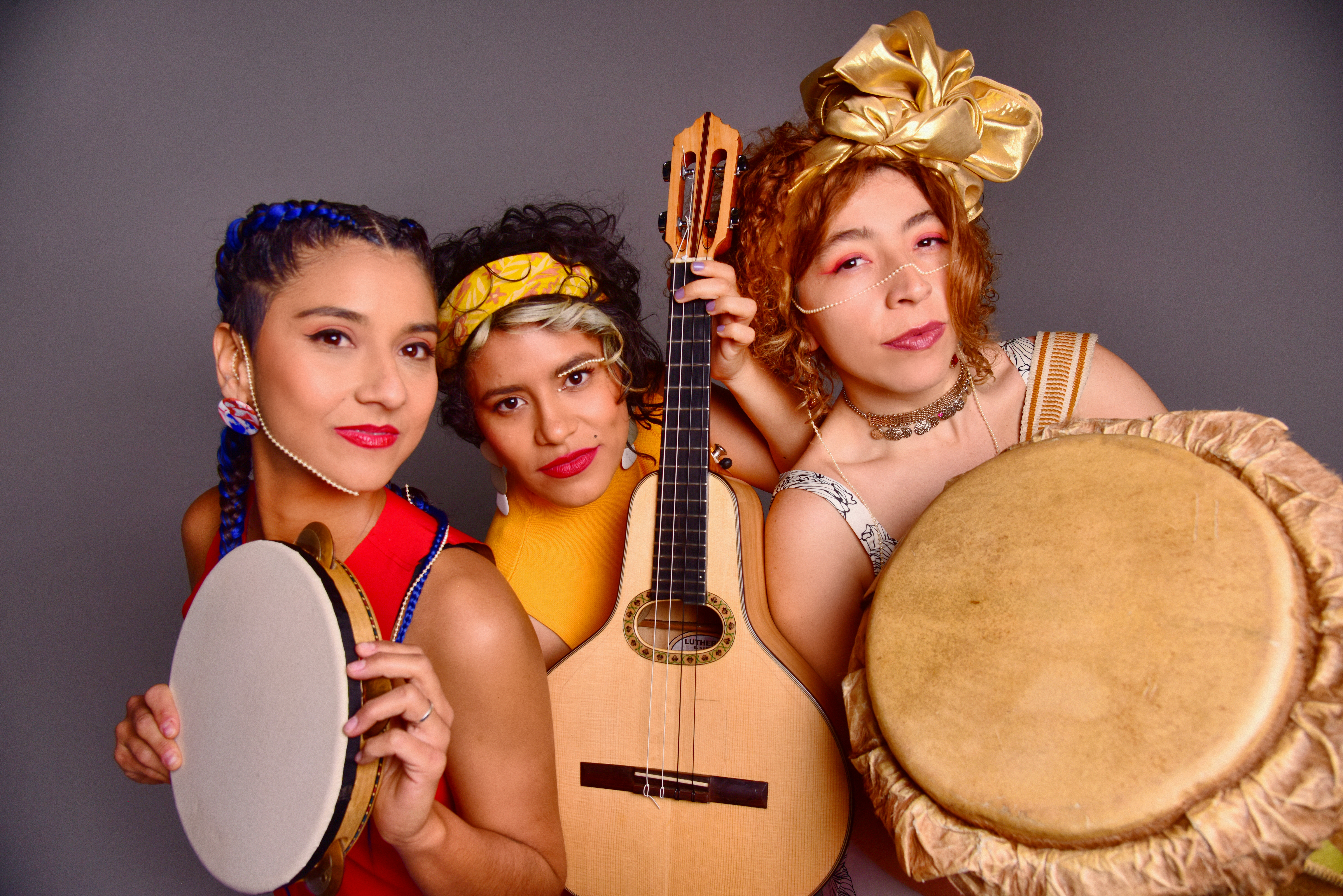
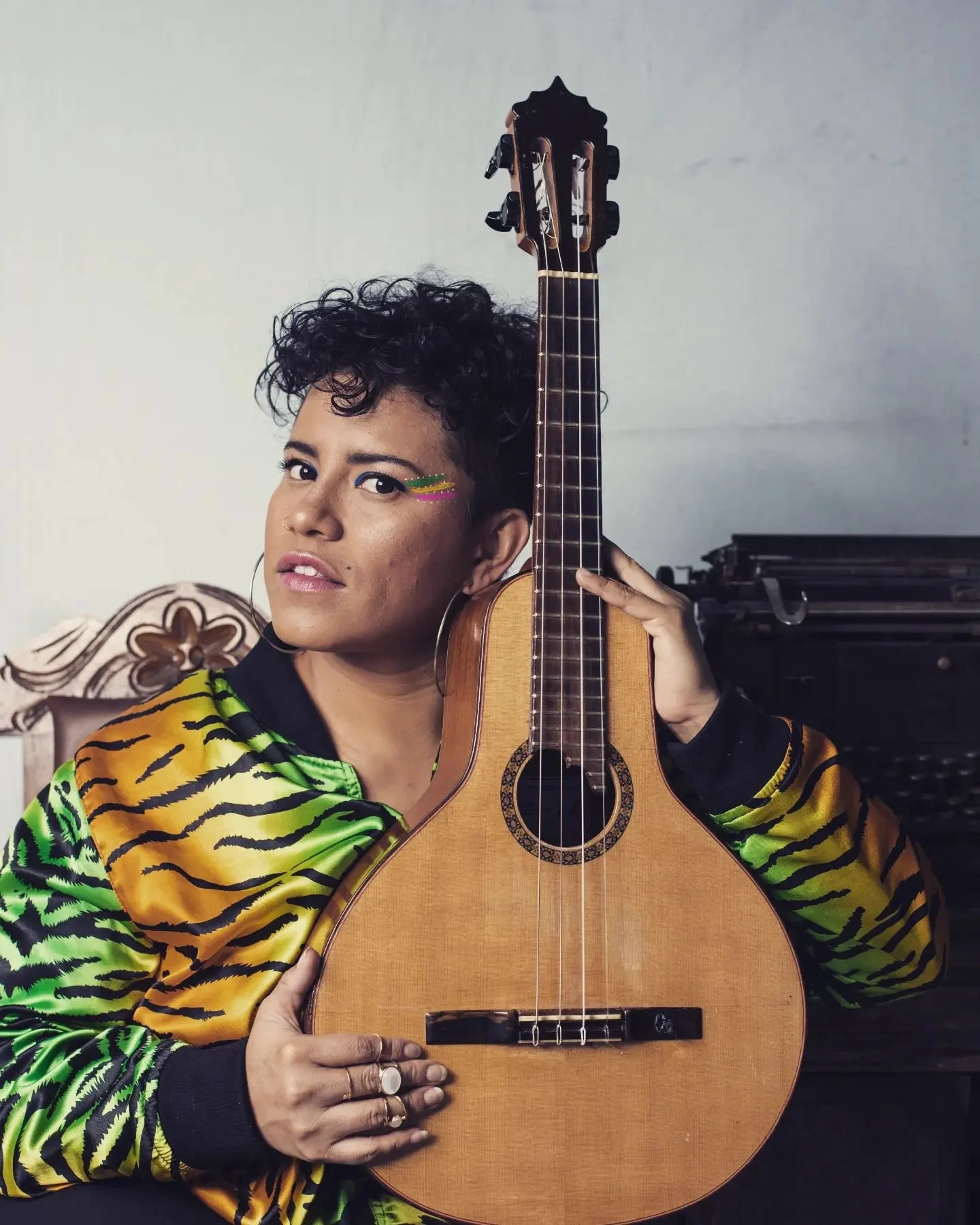
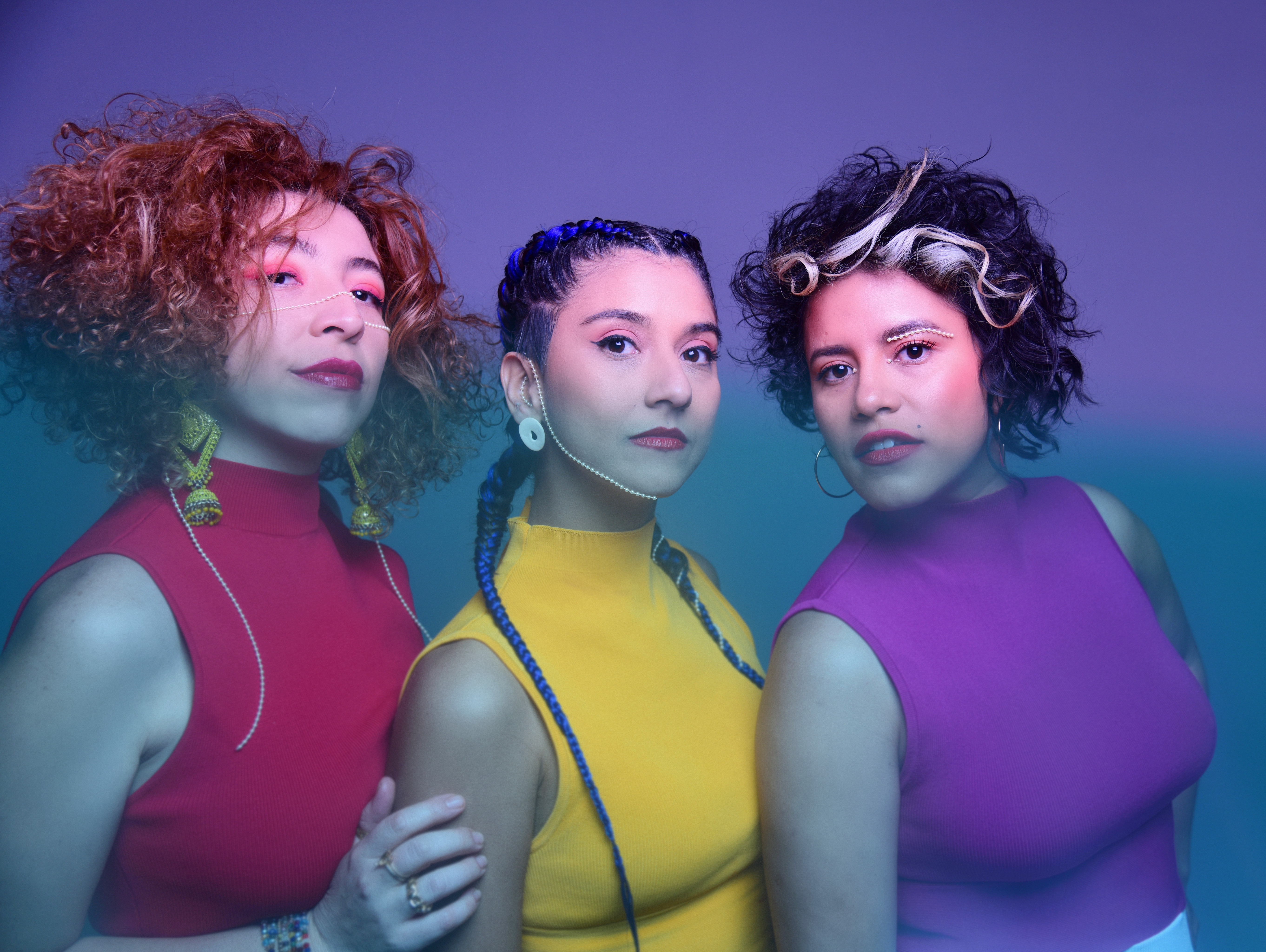
The bandola llanera is at the heart of Mafer Bandola’s musical world. Rooted in Venezuelan tradition, her playing makes room for improvisation and compositions that take the instrument into new settings. For Mafer, carrying a tradition forward also means asking who gets to shape it. As a woman working in a field long dominated by men, she brings her own experience and imagination to its future. Her work extends into education and community building: she created Pipiris Nights, a gathering for Venezuelan joropo music and dance in New York. Within LADAMA, that same spirit of exchange turns individual musical roots into an open conversation.
Courtesy of LADAMA
Brazil
Lara Klaus
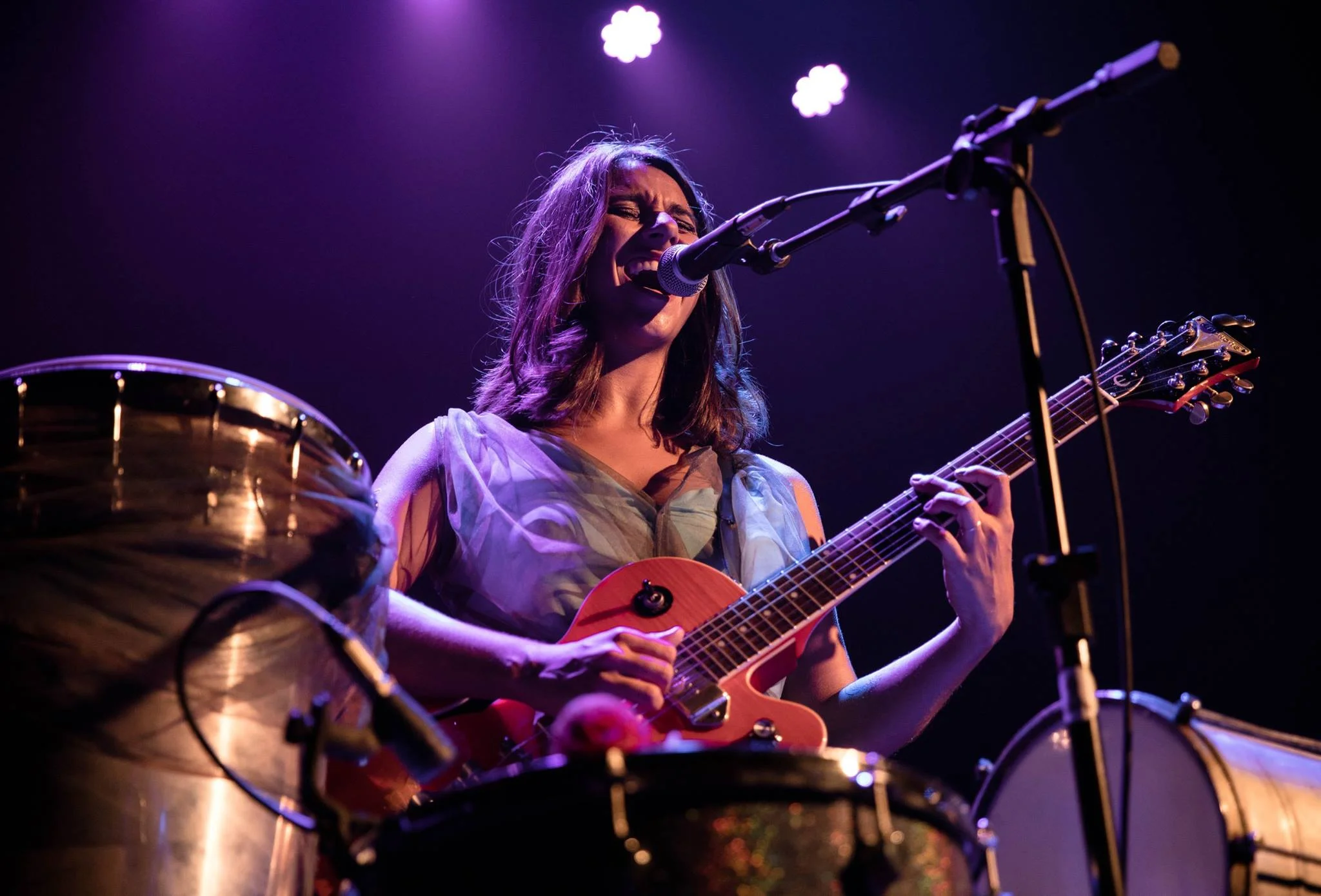
For Lara Klaus, rhythm is a language with many voices. The Brazilian percussionist, singer and composer draws on the musical traditions of the country’s Northeast, bringing instruments such as pandeiro, alfaia and zabumba into dialogue with her voice and contemporary songwriting. Born in Recife, she connects a deep knowledge of percussion with the expressive possibilities of melody. Her work as an educator and music therapist is another part of this musical life. Workshops offer a space to listen, participate and discover what people can create together. In LADAMA, Lara contributes that combination of rhythmic detail, generosity and curiosity: music that invites both movement and attention.
Courtesy of LADAMA
Colombia
Daniela Serna
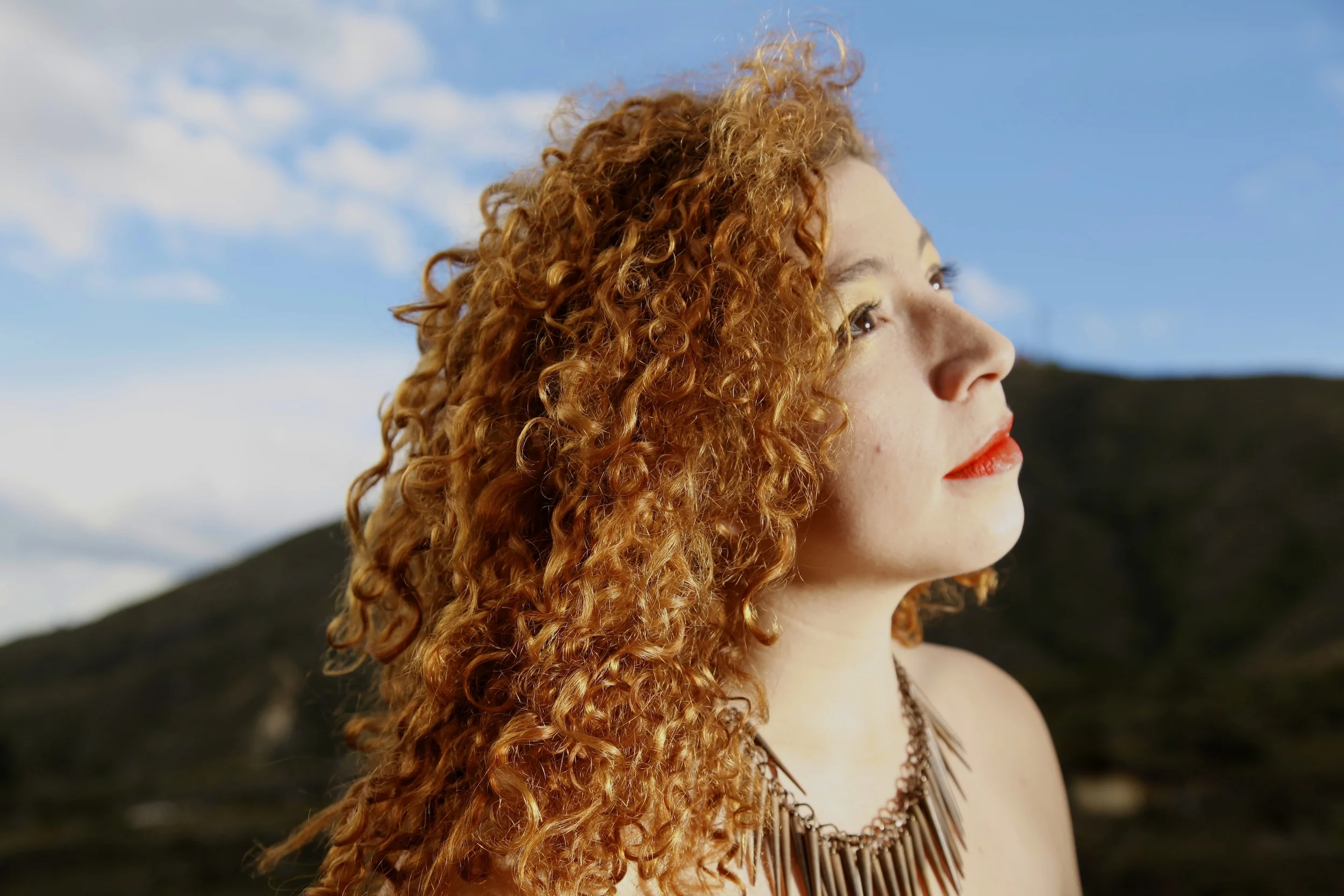
Daniela Serna brings the percussion traditions of Colombia’s Caribbean coast into LADAMA’s shared musical language. Cumbia and bullerengue are among the foundations of her work as a performer, composer and educator. Her curiosity also reaches into sound art, where rhythm becomes a way of exploring how we hear and experience a space. As a founder of La Perla, she has helped create another distinctive setting for women making music together. In LADAMA, these experiences meet the ideas and instruments of her collaborators. The result leaves room for the character of each tradition while allowing something new to emerge through listening, invention and the physical energy of percussion.
02 · Where it all began
A meeting. A beginning.
In 2014, the OneBeat programme brought the musicians together through collaborative music-making, performances and workshops. The encounter became the starting point for LADAMA.
The idea travelled with them. Early residencies and workshops connected communities in Brazil, Colombia, Venezuela and the United States. Making new music and sharing the means to create it grew together.
The collective’s history includes other musicians and collaborators. Today, its core is the trio of Lara Klaus, Daniela Serna and Mafer Bandola. The earlier films below document chapters of that longer story.
03 · Music beyond the stage
A space to listen. A chance to create.
A concert can bring people into the same room. A workshop lets them become part of the music. For LADAMA, education and creative collaboration belong to the project as much as performing.
Their work with women and young people encourages participants to see themselves as music-makers and creative leaders. The aim is to open possibilities: to compose, explore instruments and develop the confidence to share an idea.
That commitment has practical roots. The members have brought their experience into community workshops, residencies and educational projects across the Americas. Their different musical backgrounds become resources to share, rather than boundaries to keep apart.
The debut album introduces the collective’s shared musical world: South American and Caribbean rhythms meeting soul, R&B and pop.
2020
Oye Mujer
The second album, made with Brazilian producer Kassin, gives that conversation a more electric sound. It remains a key chapter in the catalogue.
Single
De Aquí Me Voy
A later single offers another point of entry into LADAMA’s music. Watch its video on the Artist page.
2025
A Guide to the Birdsong of Migration
LADAMA also contributes to Shika Shika’s compilation connecting music, migratory birds and conservation. A collective project beyond their own album releases.
Porro Maracatu and the 2019 Tiny Desk Concert offer a look into LADAMA’s earlier years. These recordings feature the historical line-up; the current core ensemble is the trio presented above.